by: Zephyr K. (Grade 10)
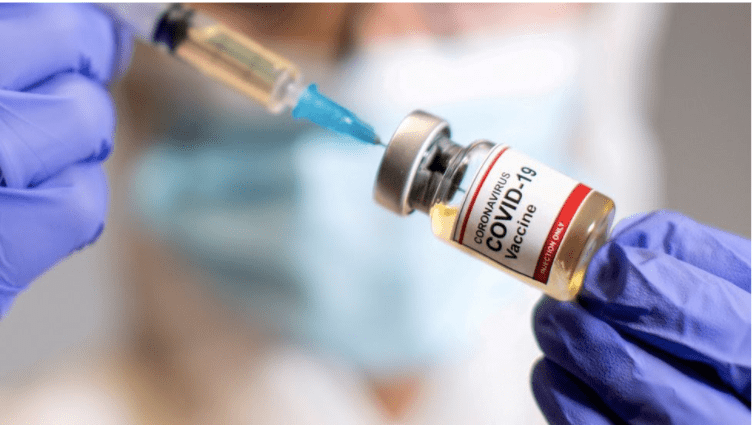
In the last year, the entire world has been turned on it’s head due to the sudden emergence of the COVID-19 pandemic – but it seems that there may finally be a light at the end of the tunnel. Recently, a cutting edge vaccine has been approved for use in the United Kingdom. So, how does the inoculation work, who will it be available to, and what is the distribution timeline?
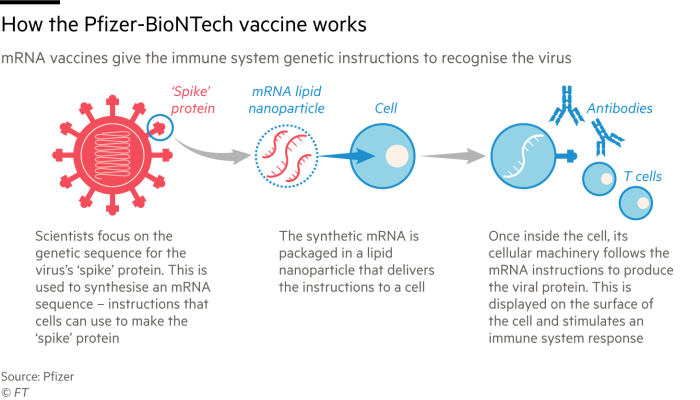
On December 3rd, Britain became the first country in the world to approve a vaccine manufactured by the German pharmaceutical company Pfizer, along with biotech corporation BioNTech. This jab, known as an mRNA vaccine, utilises groundbreaking technology. The virus’ genetic code is injected into the muscle. The body’s cells recognise the invader’s antigens (a molecular structure on the outside of a viral cell) as a threat, triggering an immune response through the creation of antibodies. These function by preventing the virus from infecting cells, or destroying the microbes all together. Memory cells then retain knowledge of the invader, so if the body is exposed to it again the immune response is much faster.
The Pfizer vaccine has proved to be around 95% effective in Phase Three trials. Approximately 21,000 people received the experimental inoculation, and only 8 fell ill with COVID-19. The UK has ordered a total of forty million doses – but, currently, only has access to around 80,000. Ten million more are scheduled to become available by the end of the year, but issues with manufacturing mean that supply may be slower than expected.
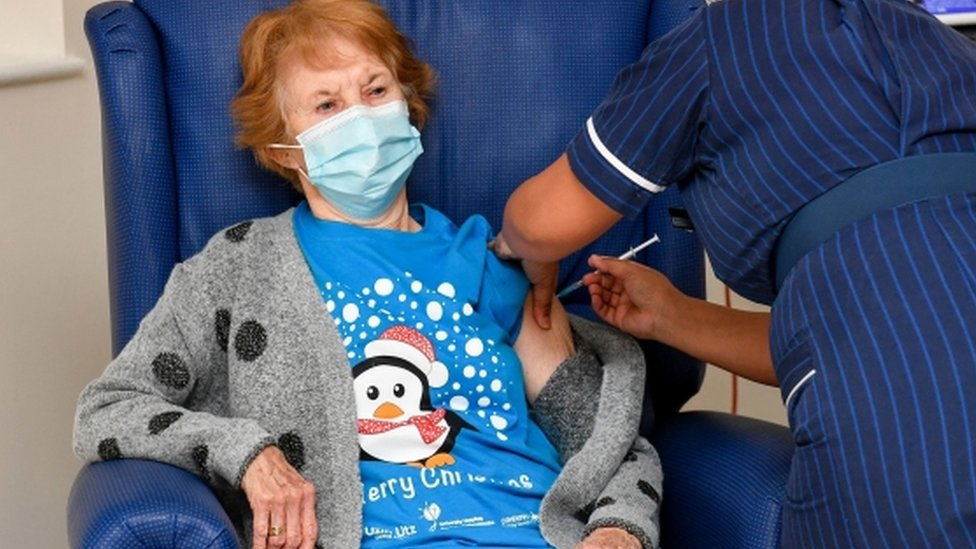
Extremely vulnerable patients, as well as frontline NHS staff, will be offered the vaccine first. The programme began on Wednesday 9th, with ninety-year-old Margaret Keenan making history by being the first to receive the inoculation outside of a clinical trial. The Government has announced that it hopes to provide vaccinations to everyone in this top priority demographic by the end of the year. Care home residents and staff are also of primary concern, but distributing the doses to them has proved to be a logistical challenge. The medication must remain at -70℃ in order to be effective, causing storage and transportation difficulties. The vaccine is also only available in packs of 975 doses, which cannot yet be split into smaller groups. Problems on a larger scale, such as the need to offer a follow-up jab twenty-one days after the first dose, have also been revealed.
The NHS plans to inoculate every person in England by April of 2021, with the instalment of mass vaccination sites and supplies at all major GP surgeries. However, the duration of the immunity that the Pfizer vaccine provides is still unknown, meaning there is a possibility that a new jab might have to be developed every year, which will accommodate for any new mutations in the virus.
Whatever the case, there is no doubt that the Pfizer vaccine is a hugely impressive technological feat. The clinical process, which can often take up to ten years, was completed in just ten months. This new defence against COVID-19 seems to be the first, hopeful sign of a return to life as normal.

 The Halcyonite
Leave a comment