by: Anonymous
In almost all academic circles, fantasy is blatantly dismissed as having no kind of value. To be frank, this is an absolutely moronic idea, and anyone who believes this should be ashamed of themselves. If you are not aware, this stigma towards fantasy exists throughout all of mainstream society: the idea that fantasy somehow lacks academic worth, or is unable to contribute to an intelligent conversation about the nature of humanity or its global issues. It is seen as being a children’s genre. Fantasy is not a child’s genre, it is a tool. It can explore important topics just as well as other writing, if not BETTER. With fantasy, an author has access to numerous tools, such as magic and alternate settings, which allows the author to explore ideas through comparisons and metaphors. The over-exaggeration of problems in fantasy settings can be used to create incredibly impactful reflections on humanity. But even fantasy authors themselves shy away from the label, saying that ‘their work is not fantasy’.
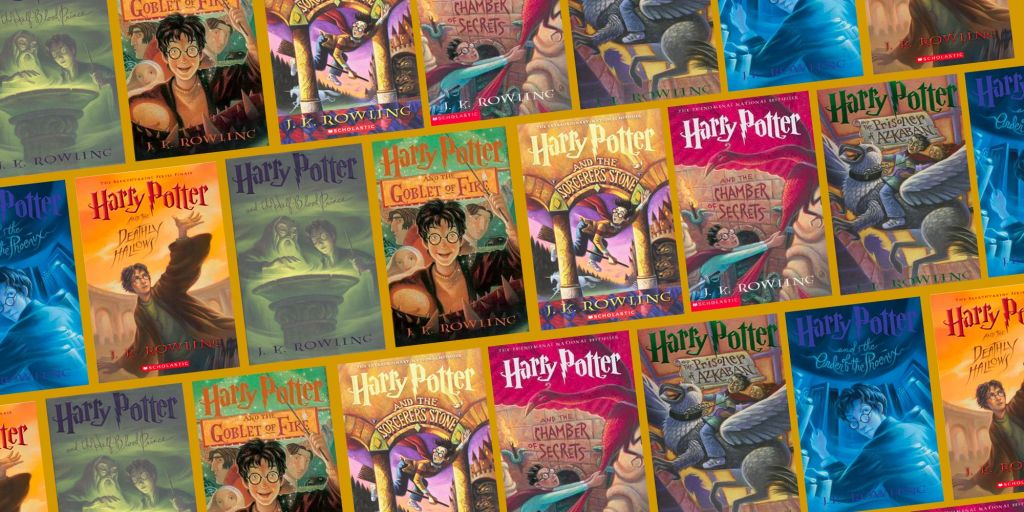
In 2005, in the Times magazine, JK Rowling herself stated that she did not consider herself a fantasy writer. Correct me if I’m wrong, but isn’t this the author that wrote the series where the main setting is a literal wizard school and people learn magical spells? One of the most popular fantasy authors of all time somehow disapproves of the genre. But surely this pervasive negative stigma must have some kind of factual basis. Well, academics believe that fantasy follows a repetitive pattern, and explores ideas unrelated to the world around us. That its use of magic and fictional devices is lazy. “Magic is an unsophisticated excuse to advance the plot.” “Magic is childish and its use shows a lack of sophistication.” Ok, let’s have a look at one of the most famous fantasy series of all time, The Lord of the Rings.
–
J.R.R. Tolkien wrote a story reflecting post-World War One Europe; a story about how industrialisation and humanity’s increasing disconnection with nature could spell disaster for us in the future. And guess what? He was absolutely right! He tackles the idea of how power corrupts people, exploring this through his use of – you guessed it – a magical item. On a smaller level, he explores the value of fellowship, and, through Frodo, how strength or intelligence are not necessary attributes, that even the little guy can have a big impact. Tolkien managed to spread his messages to 150 MILLION readers, and still people say that fantasy is a useless genre.
–
To use another famous series, Game of Thrones is a stellar example of the ability fantasy has to convey complex messages. There is a clear parallel between the story of the books and climate change. The people of Westeros are busy fighting petty battles and vying for power; meanwhile, a world ending threat is growing in strength beyond the wall. The white walkers are a perfect metaphor for climate change, and is one of the many ideas explored in the book. The metaphorical power that comes with fantasy can simply be used to convey ideas to the masses.

–
People still dismiss fantasy as an irrelevant genre, and it is time to start breaking this stigma. ‘But it is so unsophisticated and childish.’ Firstly, you’re wrong. Secondly, fantasy is just a genre, a label, and any story under any label has the ability to be beautiful and meaningful. It’s time for people to start realising that fantasy is just as relevant and ‘adult’ as any other genre, fiction or non-fiction. And you can help. If you hear people with this idea stuck in their head, challenge them, educate them.
As a final message, I would like to point out that even though fantasy can contribute to an intelligent conversation, why is this point the only thing some people even care about? Stories are a form of entertainment, and a story’s element of excitement is a really important part of fiction. I love fantasy, and if we can break this idea from society, hopefully more people can love it like you and I do.
Do you have a favourite fantasy novel/series? Let us know in the comments below!
 The Halcyonite
Leave a comment