by: Lola D.M. (Grade 11)
Film has became a staple in our culture and identity. It allows humanity to connect, and filmmakers to share universal concepts. Films can act as a distraction from our own lives, leading us to fantasise and imagine, escape into a world away from tragedy and sorrow. It makes us feel emotions, but also learn of new emotions – learn to empathise, put ourselves in other shoes.
With the start of the pandemic, film has drastically changed. Cinemas have (devastatingly) shut, and we are slowly relying more on streaming services. We’ve gone from watching a big, wide-screens with 3D glasses to watching our laptops. But, nevertheless, film remains integral to humankind.
So, here’s a crash course on one of the most famous awards ceremonies: the Academy Awards, which have also required to adapt to the present situation.
The first Academy Awards Ceremony, also known as the Oscars, was held on May 16, 1929. Around 270 guests attended, among them movie stars, directors, and producers, and they all gathered in a hotel on Hollywood Boulevard for the ceremony and the accompanying dinner. The ceremony itself lasted for fifteen minutes, after which the guests turned their attention to food.

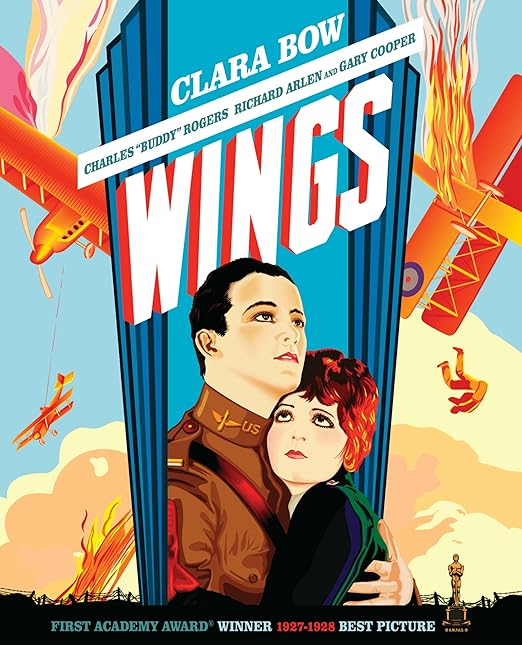
The first Oscar recipient was German actor Emil Jannings, who won ‘Best Actor’ award for his roles in two silent films: The Last Command (1928), and The Way of All Flesh (1927). His victory, however, came as no surprise, since the winner was announced months earlier. The film Wings (1927), directed by William A. Wellman, took home the first Academy Award for ‘Best Picture’.
No one, at that time, suspected that this short ceremony would become one of the world’s most important film prizes. Today, it is a global media event that takes place every year at the end of February, or at the beginning of March. Millions of people tune into the show via television or internet to watch who wins the golden statuettes.
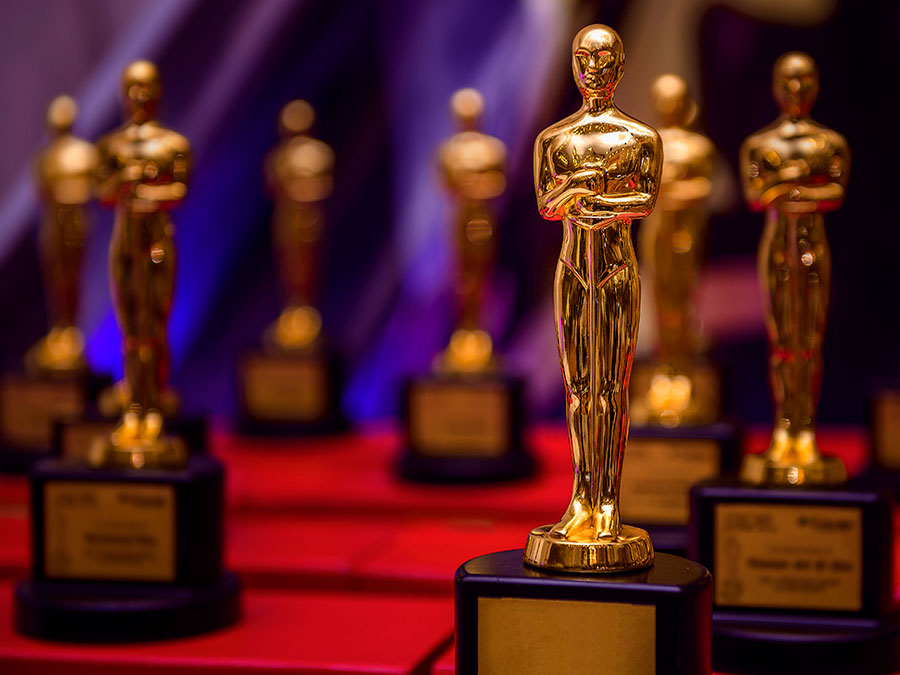
An Oscar is a crowning career achievement for any director, actor or actress, screenwriter, composer, costume designer, or anyone involved in the creation of a film. The trophy itself is thirty-four centimetres tall, coated in a thin layer of twenty-four karat gold, and weighs just over three and a half kilograms, as its interior is solid bronze!

‘Oscar’ became the official nickname for the statuette in 1939. Until that point, it had been known as the Academy Award of Merit, which remains its official name today. The name ‘Oscar’ has been protected by a trademark since 1979. The origin of the name is uncertain, but a popular story has been that an Academy librarian and eventual executive director, Margaret Herrick, thought it resembled her Uncle Oscar, and said so, upon which the Academy staff began referring to it as Oscar.
The Academy of Motion Picture Arts and Sciences, the organisation behind the Oscars, has pushed for technological advances in the film industry, among other things, since its earliest days as a non profit organisation. It was founded in 1927, and was composed of the leaders of Hollywood’s biggest studios.
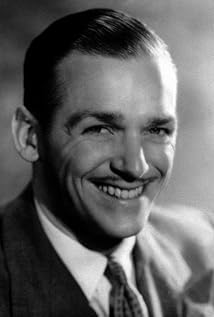
The idea for the Academy came from Louis B. Mayer, the head of the Metro-Goldwyn-Mayer (MGM) Hollywood film production company. He brought other Hollywood personalities on board and organized the first prize ceremony. The first president of the Academy was Douglas Fairbanks, a popular silent film actor. In 1949, the organization moved its headquarters to Beverly Hills.
Since 1929, many changes have taken place. The composition of the Academy’s members, whose votes determine the prize winners, has diversified. It is no longer only comprised of old, white males; now it includes younger individuals, more women, and more people of colour. Around seven thousand people from the film industry are now members of the Academy.
The awards procedure has changed as well. Previously, the media was told in advance who the winners would be on the condition of silence. However, this has changed as newspapers announced winning names and film titles before the prize gala took place. Since 1941, sealed envelopes have been used, only opened during the public awards ceremony.
This method worked well until 2017, when a backstage mix up led to a false announcement: the musical La La Land (2016) was mistakenly named best film, and the award was later passed to the correct winner: Moonlight (2016).
Since 1989, fans have heard the iteration of, “and the Oscar goes to…” instead of “And the winner is…” This was changed as to be less discriminatory, and more politically correct.
Some of the most unforgettable movies that have won an Academy Award for Best Picture include: Gone with the Wind (1939), Casablanca (1943), Ben-Hur (1959), West Side Story (1961), The Sound of Music (1965), Oliver! (1968), The Godfather (1972), One Flew over the Cuckoo’s Nest (1975), Rocky (1976), The Deer Hunter (1978), Amadeus (1984), Rain Man (1988), Dances with Wolves (1990), The Silence of the Lambs (1991), Schindler’s List (1993), Forrest Gump (1994), Titanic (1997), Gladiator (2000), The Lord of the Rings: The Return of the King (2003), Million Dollar Baby (2004), The Artist (2011), The Shape of Water (2017), and Parasite (2019).
For a list of all films that won any (and multiple) Academy Awards, you can check it out here: Academy Award-Winning Films

This year, the 93rd Academy Awards ceremony has been postponed, and is scheduled to take place on Sunday, April 25, 2021, in the Dolby Theatre (found in the heart of Hollywood). The nominees are yet to be announced.

Do you have a favourite film? Did it perhaps receive an Oscar? Leave it in the comments below!
 The Halcyonite
Leave a comment