
I am not yet sure whether the periods when we lock ourselves away from the world are more like TikTok videos or some recent Woody Allen film.
By Theo O. (Grade 11)
I will say, contrary to many peers and colleagues, TikTok and I were not a match.
The newest internet fever that took the web – and many teenagers’ free time – by a storm has gotten to my friends, my sister, my parents (non consensually, but still), yet not me. I don’t know if it’s because of the format, the content, or the numerous conspiracy theories and government halting plans that have surrounded it – I just know that I was never drawn to the thing.
The app, which allows users to create short, fast-paced, and often humorous videos of themselves, has coincidentally reached the peak of its popularity at a time when teenagers around the globe have been asked to stay at home, in order to prevent the spread of the novel Coronavirus.

The truth of the matter, however, is that I am not yet sure whether the periods in which we lock ourselves away from the world are more like a TikTok video (quick, unusual, and new), or some recent Woody Allen film (boring, a bit obnoxious, and too familiar for comfort).
The former, apart from the ‘quick’ aspect (thanks, Boris), can be justified by how little I tend to remember about what I personally do during lockdown. Whenever it happens, much like TikTok videos viewed months ago, I end up having a very abstract memory of the event, and many of the details featured escape me. Looking back at it, it feels like a blur – mostly flashes of moments that may or may not have happened. I don’t know, maybe I just get too overwhelmed by the industrialised musical notes which, although they could come from a TikTok video, in this case come from my twin sister’s bedroom whenever she feels like engaging in her artistic endeavours – or decides to film a TikTok herself.
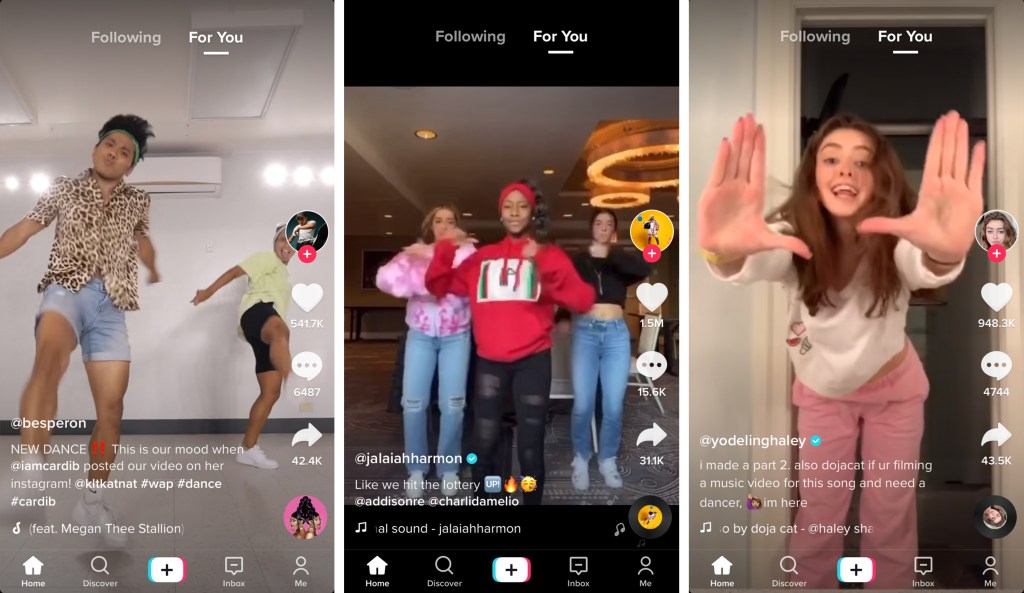
Furthermore, much like a TikTok video, which often features repetitive choreographies and manufactured sounds, my routine during the lockdown was eerily constant. Walking the fine line between cynicism and full-on madness, every action I took while locked inside my house always aimed towards the inevitable culmination of events that would lead into a resounding and magnificent liberation from all evil and struggles – the pandemic, like a TikTok video, would come to a quick, abrupt end – everything would finally be over, and we would be able to forget its existence and move on with our lives.
Little did I know that, as of December of 2020, we would still be engaging in the neverending debate about Coronavirus guidelines, lockdowns, closing down businesses, and whether TikTok will be banned in the United States.
Moving on to the second part of my brilliant analogy, the familiarity that I cited above may come as a surprise, but it makes some sense within the framework of both the lockdown and Woody Allen’s films. That is because I believe that, when diving into the idea of staying at home for a long period of time, the most psychologically scarring element of it was not necessarily the danger that awaited us outside our households, but rather what we were locked inside with – ourselves.
When we distance ourselves from our daily interactions, which usually don’t leave space for exaggerated periods of self-reflection, we are left with the crude, imperfect, and violently constant state of simply knowing that we, as individuals, exist. The silence that consumes our ears and, perhaps juxtaposingly, the loud, intolerable thoughts that take over our minds, hurt. And they hurt a lot.
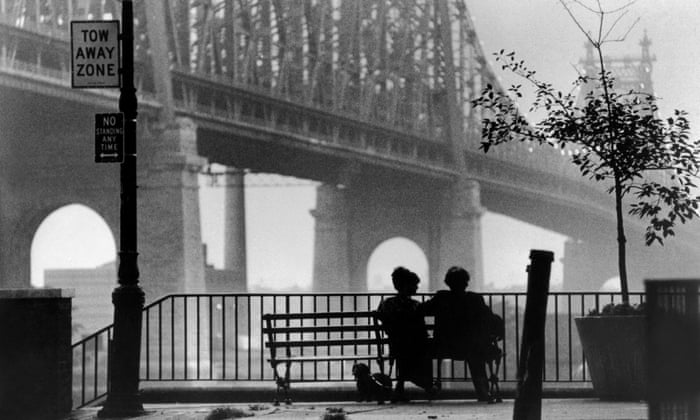
Just like a Woody Allen film, the protagonist is imperfect and very much aware of it, the inner dialogue is overbearing and oftentimes obnoxious, and the overall conclusion of the event is either outdated, repetitive, or just problematic for today’s modern societal standards.
Accompanied by a sound of ‘Tik, tok, tik, tok’, we drown ourselves into our own consciousness and existence. And, unlike the app that misleadingly holds the same name, it is difficult to swipe down and move on.
 The Halcyonite
Leave a comment