
by: Lola D.M. (Grade 11)
Not sure how to study for your next exam? Reading and re-reading your notes not working? Here are eight scientifically proven study tips to help you out!
Tip #1:
Study sessions are most effective in small, short chunks. Instead of cramming in a ten hour study session the day before an exam, it’s more effective to spread it out into shorter sessions over a few weeks. This is because your brain is better at encoding information into the synapses in short, repeated sessions, as opposed to one long one. The same rule applies for learning other skills, such as an instrument or a new language!

Tip #2:
While cramming and pulling all nighters may be a ritual, turns out this is linked to the lowest grades. After prolonged, nocturnal study sessions, reasoning and memory may be negatively affected for up to four whole days – and I will not even mention the detrimental effects a lack of sleep will have on you and your body. Instead, setting up specific times in a day or week just to study primes your brain by creating a routine, and over time studying becomes easier as your brain is trained to learn at those moments. Creating a study schedule to balance and plan your time is a great hack!

Tip #3 :
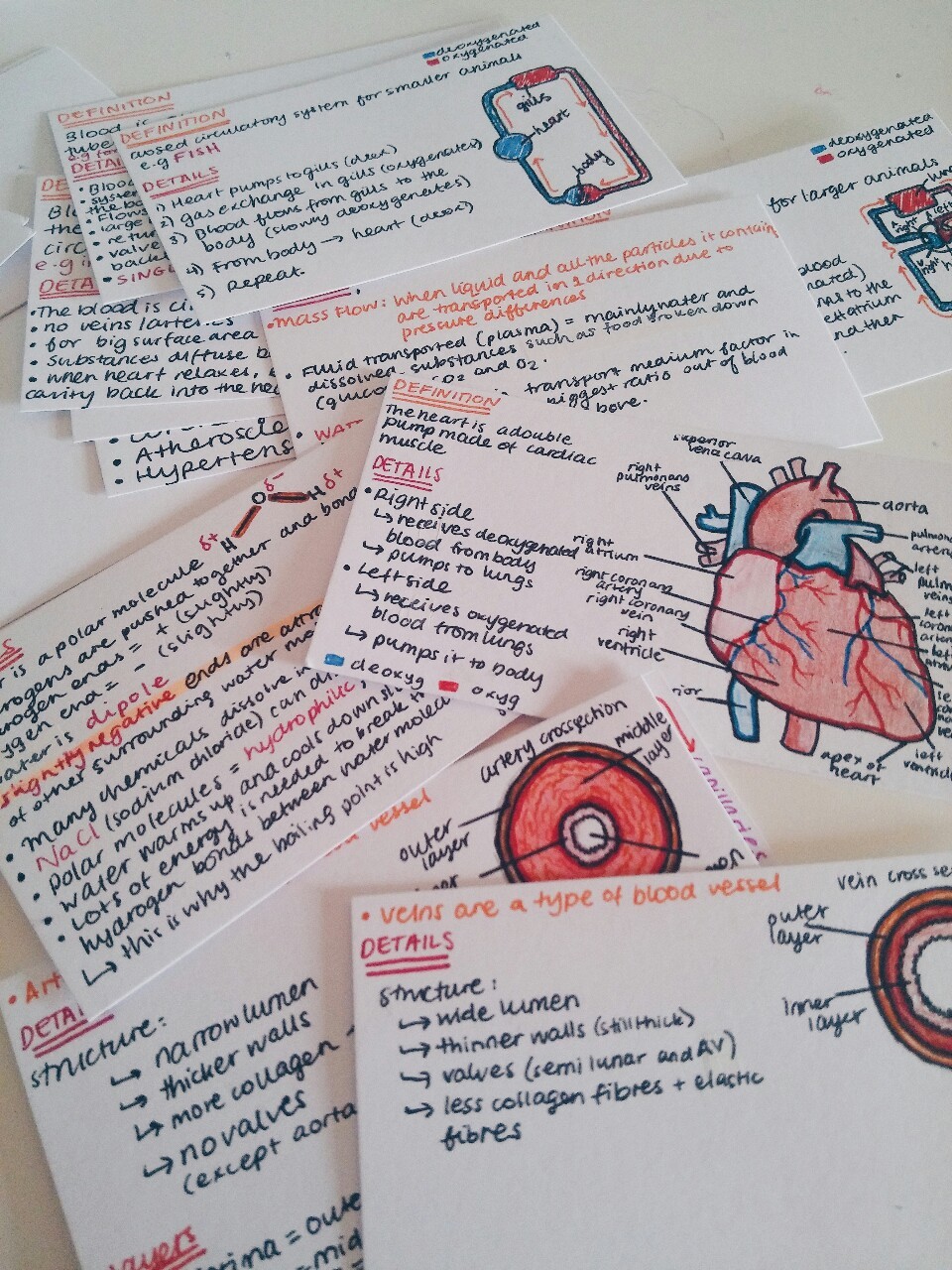
While many of us spend hours passively re-reading our notes or highlighting a textbook, studies have shown this to be ineffective. It does not improve your understanding of the topics, nor does it link key concepts together. It can even be detrimental as it draws your attention to less important information. Flash cards, on the other hand, are proven to be excellent memory reinforcement tools. In fact, any method where you can quiz yourself helps you retain facts better.
Tip #4:
If you cannot explain a topic simply, then you do not understand it well enough. In a study in Applied Cognitive Psychology, researches led by Aloysius Wei Lun Koh tested their theory that teaching improves the teacher’s learning – a manifestation of the “testing effect”. 124 students were recruited, and had ten minutes to study a text about the Doppler Effect and soundwaves (new information to all of the students). The participants were then divided into four groups: Group A were filmed alone for five minutes, delivering a lesson on the study material without notes; Group B completed multiplication arithmetic; Group C were filmed teaching but reading verbatim from a set script; and Group D wrote down all they could remember from the text. Participants returned a week later for a surprise knowledge recollection test. Group A, who taught without notes, outperformed all the other groups. In essence when teaching others, your brain organises the information in a simplified, logical and coherent structure, which helps you retain the knowledge better.

Tip #5:
Practice, practice, practice! Not only do practice tests put your brain in the environment, but even if you make mistakes they help identify gaps in your knowledge or recall the correction to your error. Practice tests have also been shown to increase confidence, thereby leading to better performance.

Tip #6:
Research shows that having a designated, sacred spot for studying – that is equipped with every tool you might need – is best. Your study space should be quiet, comfortable and distraction free. Just like allocating study times, this primes your brain for studying.

Tip #7:
Have an awesome study playlist? Not so fast… while some studies have shown that certain types of classical music can help improve concentration, others attest that learning with rhythmic background noise can be detrimental to focus, distract you, have a negative impact on memory, and can lower reading comprehension.

Tip #8:
Put away your phone! Your texts and social media notifications severely decrease concentration. No further explanation needed.

These are only a couple of study tips to help you out. Please keep in mind that everybody learns differently – these tips may or may not apply to you. The only way to learn what works best for you is to try out different methods. Good luck!
Do you have any study tips? Leave them in the comments below!
 The Halcyonite
Leave a comment