By Sasha
’24
Does food really contribute to your happiness? The short answer is yes. It may be hard to believe, but food is incredibly powerful not just for your physical health, but also your mental health.
Over recent years, nutritional psychiatry has emerged as a much more researched field. It highlights the potential influence the food we choose to eat can have on our happiness. As mentioned in a previous article, better nutrition links to better gut health, which concurrently leads to a more regulated production of hormones that regulate and control our moods and overall happiness.
It’s all about balance! We have to enjoy what we eat to be happy, but also take the time to educate ourselves on how we can use food to shift the way we feel mentally and physically. Each and every person is different, so testing out different foods is important to see what works for you and your happiness.
A study conducted at Blue Zones–a lifestyle brand that writes articles enabling people to live better and longer lives through improving their environment–discovered the mood impact of dietary antioxidants on nearly 1,000 men and women. Those who consumed three or more servings of fruits and vegetables daily reported greater optimism, while also benefiting from increased B vitamins that positively affect mood. Another large-scale, multi-wave study conducted over nine years investigated the link between fruit and vegetable intake and mental health disorders like depression and anxiety.
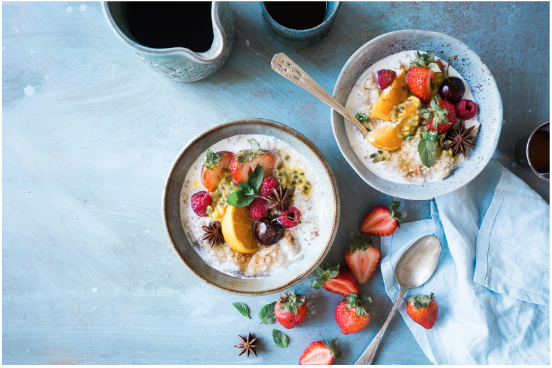
Depression is linked to inflammation in the body, which can be influenced by consuming arachidonic acid which are found in animal products. High levels of arachidonic acid can disrupt mood by triggering brain changes. Conversely, plant foods with antioxidants lower inflammation and promote a happier mood. Neuro Nutrients in plants are essential for neurotransmitter production, affecting thoughts and emotions, and also providing brain protection. Diets rich in animal-based saturated fats and lacking antioxidants and vitamins may increase depression risk, while plant-rich diets suppress its onset. The colours of plant-based meals reflect the nutrients that support a better disposition, and even the sight of a colourful salad can uplift mood.
You may have heard of the phrase “eat the rainbow” which provides your body with a diverse range of important nutrients for preventing diseases! Phytochemicals, which are natural compounds found in foods like fruits and vegetables, include antioxidants that are believed to protect against harmful free radicals. Diets rich in these phytochemicals have been associated with reduced cardiovascular disease risk. Consuming a variety of foods, especially colourful fruits and vegetables, can provide essential nutrients and contribute to meeting the recommended 5-a-day servings. Additionally, an appealing and vibrant meal can be more enjoyable to eat.
Understanding the profound influence of food on both our physical and mental well-being can empower us and inspire a sense of control over our lives and the decisions we make. The world of food offers endless opportunities for learning, exploration, and the discovery of numerous benefits it can provide.
https://www.facebook.com/BlueZones. “Good Mood Foods: How Diet Affects Happiness – Blue Zones.” Blue Zones, 26 Jan. 2018, www.bluezones.com/2018/01/moods-and-foods/
Selhub, Eva. “Nutritional Psychiatry: Your Brain on Food – Harvard Health Blog.” Harvard Health Blog, Harvard Health Publishing, 18 Sep. 2022, www.health.harvard.edu/blog/nutritional-psychiatry-your-brain-on-food-201511168626.
“Should You Eat a Rainbow of Fruits and Vegetables?” Www.bhf.org.uk, www.bhf.org.uk/informationsupport/heart-matters-magazine/nutrition/5-a-day/colourful-foods#:~:text=Eating%20a%20variety%20of%20 foods
 The Halcyonite
Leave a comment