By Felix O, 25’
In an era where environmental consciousness is at the forefront of global concerns, the rise of reusable water bottles was hailed as a pivotal step towards reducing single-use plastic waste. However, what began as a noble endeavour has now morphed into a concerning trend, with the proliferation of these bottles posing new environmental challenges.
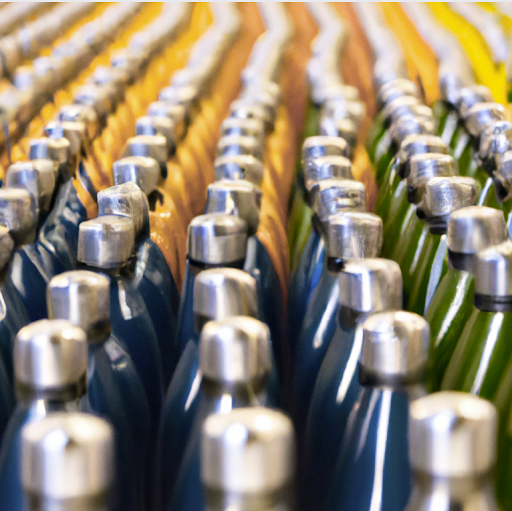
One of the primary issues contributing to the problem is the rampant overconsumption and collecting habits surrounding reusable water bottles. What was once a simple solution — each person having one durable bottle for multiple uses — has been overshadowed by a culture of accumulation. People are purchasing multiple bottles, sometimes a whole collection, ‘in every colour’, often enticed by trendy designs or promotional offers, only to leave them collecting dust on shelves or in closets.
Moreover, as Vasily from our school eco committee highlights, “Reusable water bottles have become a common reward at fairs and large events. They are mass-produced to advertise various companies, which destroys their purpose – reducing waste from both production and disposal.” This mass production undermines the environmental benefits these bottles are supposed to provide.
This trend not only defeats the purpose of owning a reusable bottle but also exacerbates the environmental impact. The majority of reusable water bottles use metal that is becoming more and more scarce in stock every year, further emphasised by Vasily’s observation that, “Moreover, the majority of reusable water bottles use metal that is becoming more and more scarce in stock every year.” This scarcity of resources adds another layer of concern to the environmental impact of mass-producing these bottles.
The production of these bottles requires resources and energy, and when they are left unused or discarded prematurely, it negates the intended benefits of sustainability. Moreover, the disposal of these bottles, whether through recycling or landfill, adds to the overall environmental burden.
Environmental advocates are calling for a shift in mindset, emphasising the importance of responsible consumption and mindful purchasing habits. Instead of viewing reusable bottles as mere commodities or collectibles, individuals are urged to recognize them as tools for sustainable living. Strategies such as promoting durability, fostering a culture of reuse, and discouraging excessive consumption through education and awareness campaigns are essential in addressing this issue.
Government regulations and corporate responsibility also play crucial roles in mitigating the environmental impact of reusable water bottles. Implementing policies that encourage responsible production, consumption, and disposal practices can help curb the excesses associated with these products. Furthermore, companies must prioritise sustainability in their marketing strategies, emphasising longevity and functionality over frivolous trends.
In conclusion, while reusable water bottles were initially championed as a solution to single-use plastic waste, their proliferation and misuse have turned them into a double-edged sword for the environment. By addressing the root causes of overconsumption and promoting responsible behaviours, we can reclaim the true purpose of reusable bottles and ensure that they remain an integral part of the sustainable future we strive to achieve.
 The Halcyonite
Leave a comment