by: Lola D.M. (Grade 11)
Mental health is defined by the World Health Organisation as, “a state of well-being in which every individual realises his or her own potential, can cope with the normal stresses of life, can work productively and fruitfully, and is able to make a contribution to her or his community.” Mind, a charity organisation in the UK that offers advice on mental health issues, adds that mental wellbeing is when, “You care about yourself… You love yourself… You look after your physical health – eat well, sleep well, exercise and enjoy yourself. You see yourself as being a valuable person in your own right. You don’t have to earn the right to exist. You exist, so you have the right to exist.”
In complicated times, like the situation we are faced with now (a pandemic, and having to balance stressful schoolwork with it), we can easily forget to look after ourselves and our minds. You might not even realise how emotionally affected you are by the whole situation. So here are some tips on how to improve your mental wellbeing, and maybe you can try some out during the Winter Holidays (but make sure you continue to look after your mental health when school starts again – remember, school is now, but your mental wellbeing is forever!):
1. Connect With Others
Perhaps this is a bit difficult considering the current situation, with “social distancing” and no indoor-bubble mixing, but good relationships are extremely important for our wellbeing. They build a sense of belonging and self-worth, give us opportunities to share positive experiences, and provide us with emotional support. Try and spend some time each day with the family members/friends in your bubble, or maybe even call a friend you haven’t seen in a while. These are the types of situations when we should make use of the technology we have available, and stay connected.

–
2. Be Physically Active
Physical activity is not only good for your body physically, but it also helps to raise self-esteem, and causes chemical changes in the brain that can change your mood positively. Try and go out for a run, jog, bike ride, or even just a short walk whenever possible. Maybe even check out a fitness or yoga video on YouTube. Exercise does not have to mean hours at the gym – it can even be a solo dance party!

–
3. Do Activities You Love
To relax and rewind, do activities you love! Take some time for yourself, and hone those hobbies that make you feel amazing. Whether this is reading a book all day, playing chess, running, cooking, painting, watching TV, or playing an instrument, it doesn’t matter! Just do some form of activity that releases those positive chemicals in your brain, and says “goodbye” to the stress.

–
4. Sleep!
Sleep obviously has physical benefits – it is essential to your functioning healthily as a human being. But there are also crucial mental effects – sleep and your mental health practically go hand-in-hand. Poor sleep increases a risk of poor health, and poor health makes it harder to fall sleep. In fact, numerous studies have linked mental health illnesses such as anxiety and depression to sleep problems. So, it is time to improve your sleep patterns: try and go to sleep at the same time everyday, avoid bright screens one/two hours before bedtime (yes, that means putting your phone away), stay active during the day, limit caffeine intake, keep your room cool and the noise down (or if you need sound, try a sound machine?), practice your breathing, and RELAX.

–
5. Learn New Skills
Learning a new skill or finding a new hobby helps in boosting your self-confidence, building a sense of purpose, and can result with rewarding feels. The holidays are a perfect time to try out something new, so why not learn to cook a new meal, try a crafty DIY project (for which there are thousands of free online video tutorials), learn to paint, or even start your own blog or journal? Who knows, you may even find your lifelong passion!

–
6. Give To Others
Research suggests that small acts of kindness create positive feelings, give us feelings of self-worth, and connect us with other people. These actions can be as small as saying “thank you,” or asking a friend or family member how they are and really listening to their answer; or as large as doing some volunteering in your local community. Since the holidays are coming up, why not purchase presents for your closest loved ones, or maybe make some handmade cards!

–
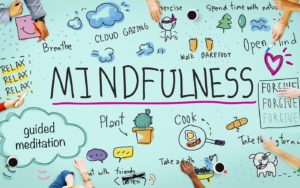
7. Try Mindfulness
Mindfulness is an awareness of the present moment, including your thoughts, feelings, body, and surroundings. It can help you enjoy life more, understand yourself and your body better, and can change the way you feel about life and approaching challenges. You can practice mindfulness by meditating, doing some yoga, or simply learning relaxation and breathing techniques. Some great mindfulness apps you can check out are Headspace and Calm.
–
All in all, in these stressful and frightening times, remember to take care of yourselves. In the words of Dalai Lama, “If you feel ‘burnout’ setting in, if you feel demoralized and exhausted, it is best, for the sake of everyone, to withdraw and restore yourself.”
Do you have any mental health tips? Leave them in the comments below!


 The Halcyonite
Leave a reply to sstonemanhalcyonschoolcom Cancel reply